
Designing a smokeless BBQ restaurant requires more than choosing a BBQ grill. The restaurant layout, BBQ tables, smoke extraction system, heating equipment, ventilation, and customer seating should work together as one system.
A well-planned design can help improve the dining experience, make better use of restaurant space, and create a more comfortable indoor BBQ environment.
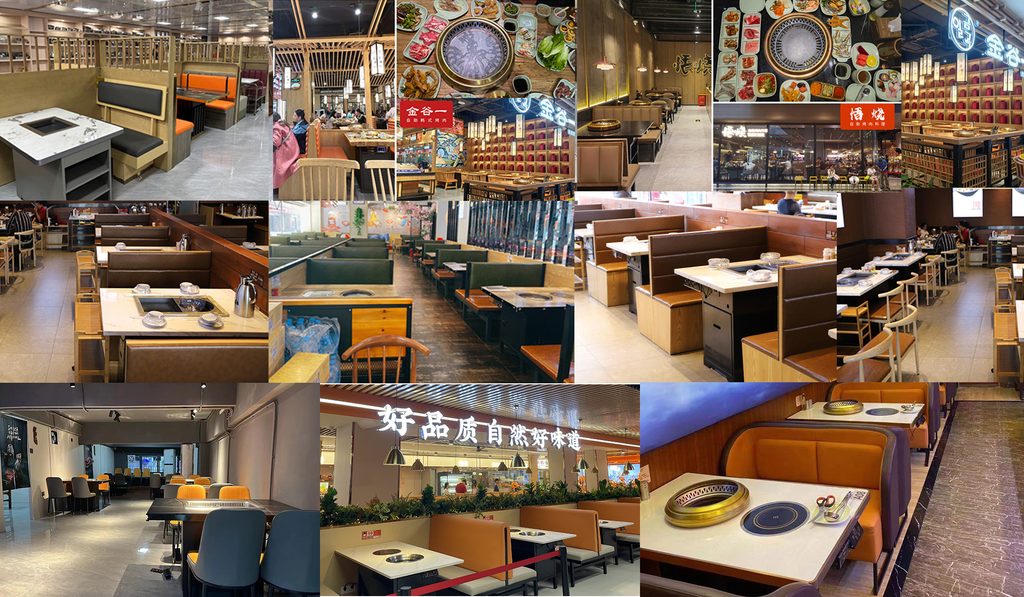
What Is a Smokeless BBQ Restaurant?
A smokeless BBQ restaurant is an indoor BBQ dining concept that uses specially designed grills, tables, and smoke control systems to reduce cooking smoke around the dining area.
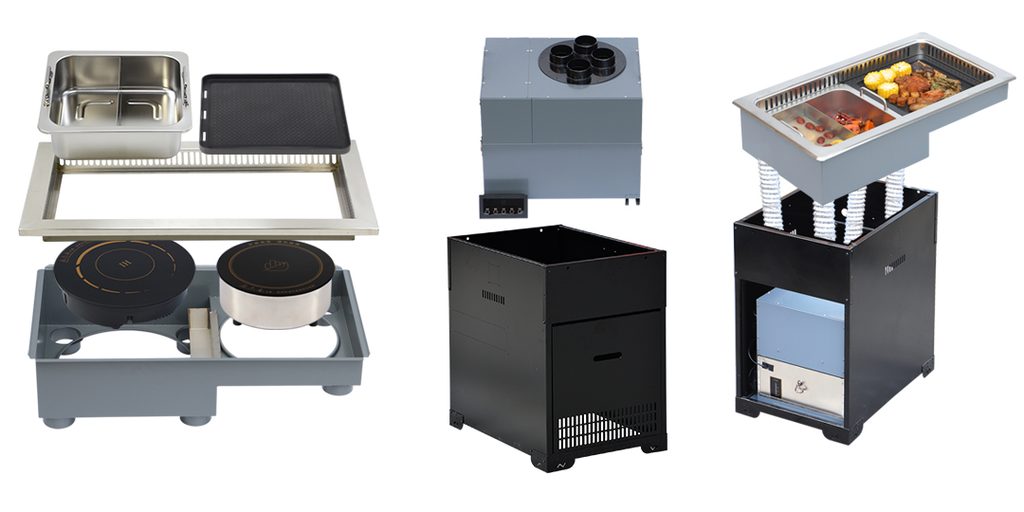
Unlike a traditional BBQ setup, the smoke extraction system can be integrated into or connected to the BBQ table.
A typical system may include:
BBQ Grill → Smoke Collection → Filtration / Purification → Exhaust or Air Treatment
The actual smoke-control performance depends on the equipment, airflow, extraction capacity, filtration system, installation, and cooking conditions.
1. Start With the Restaurant Layout
The restaurant layout is one of the first things to consider when designing a smokeless BBQ restaurant.
Before selecting equipment, determine:
- Restaurant floor area
- Number of dining tables
- Number of seats per table
- Table dimensions
- Customer walking paths
- Kitchen and service areas
- Electrical and ventilation locations
The BBQ tables should be positioned to provide enough space for customers and restaurant staff to move comfortably.
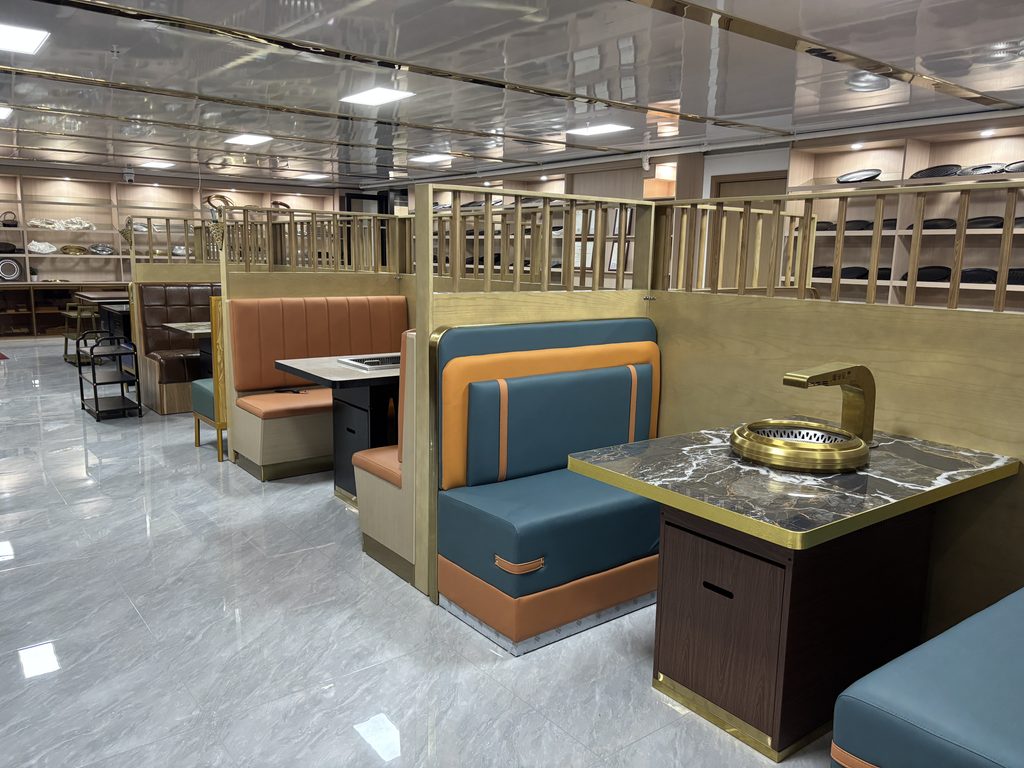
2. Choose the Right Smokeless BBQ Tables
The BBQ table is one of the most important parts of the restaurant design.
A commercial smokeless BBQ table can combine:
- Dining table
- BBQ grill
- Smoke extraction
- Heating system
- Electrical controls
- Tabletop surface
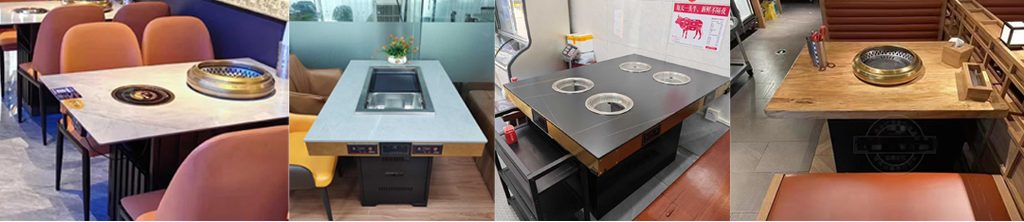
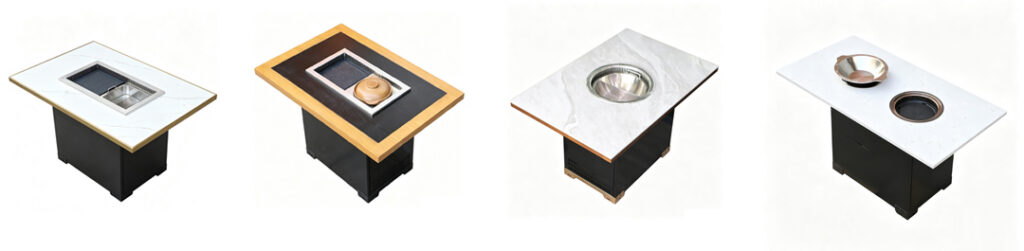
Different restaurant concepts may require different table shapes, sizes, materials, and grill configurations.
Common tabletop materials include:
- Rock slab
- Solid wood
- Marble
- Stainless steel
For custom restaurant projects, table dimensions can be designed according to the available space and seating requirements.
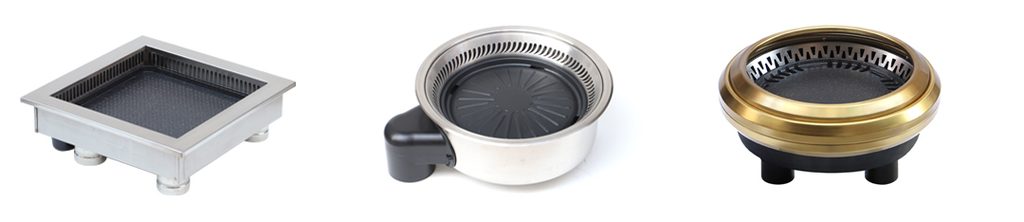
3. Select the Right BBQ Grill
The BBQ grill should match the restaurant’s cooking concept and table design.
When choosing a commercial BBQ grill, consider:
- Grill size
- Heating method
- Heating power
- Control system
- Cooking area
- Cleaning requirements
- Smoke extraction configuration
For Korean BBQ restaurants, Japanese BBQ restaurants, and hot pot & BBQ concepts, the equipment configuration may be different.
The grill should also be compatible with the table and smoke extraction system.
4. Plan the Smoke Extraction System
Smoke control is a key part of an indoor BBQ restaurant.
The extraction system should be considered together with the BBQ grill and restaurant layout rather than as a separate component.
Depending on the equipment design, smoke may be collected close to the cooking surface and then processed through filtration or purification components.
Consider Extraction Capacity
The extraction capacity should match the number and type of BBQ grills being used.
Consider Airflow
Restaurant airflow affects how efficiently cooking smoke is collected and how air moves through the dining area.
Consider Maintenance
Filters, collection components, and other parts of the system should be accessible for regular cleaning and maintenance.
5. Plan Electrical Requirements
Commercial BBQ restaurants often use multiple electric grills or heating systems, so electrical planning should be completed before installation.
Consider:
- Local voltage
- Frequency
- Total electrical load
- Number of BBQ tables
- Individual table power
- Control systems
- Cable and outlet locations
For international restaurant projects, electrical specifications should be confirmed according to the requirements of the destination market.
6. Choose the Right Table Materials
Table materials affect both restaurant appearance and daily maintenance.
Rock Slab Tables
Rock slab provides a modern appearance and can be used for contemporary Korean BBQ and hot pot restaurant designs.
Solid Wood Tables
Solid wood can create a warmer and more natural restaurant atmosphere.
Marble Tables
Marble provides a classic appearance and can be used in different restaurant interior styles.
Stainless Steel Tables
Stainless steel is practical for commercial applications and can be combined with different BBQ equipment configurations.
7. Consider Customer Comfort
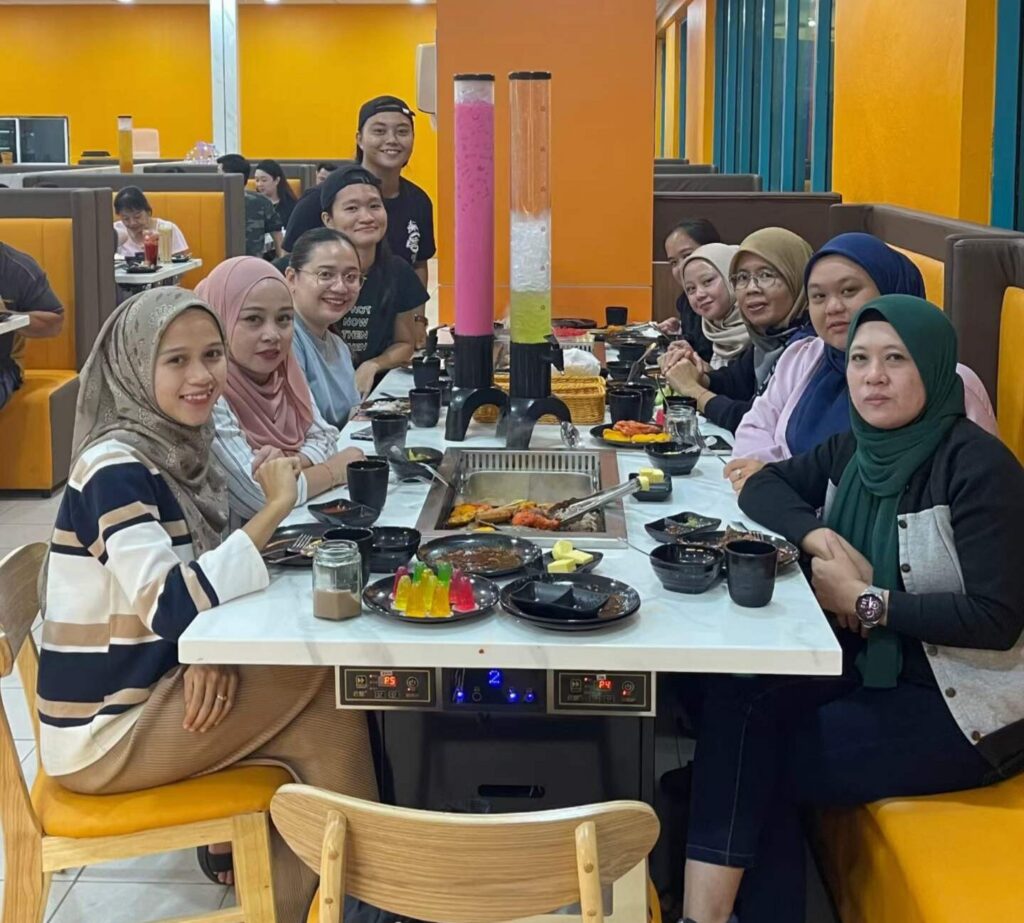
A successful BBQ restaurant design should consider the customer experience as well as the equipment.
The table height, seating space, cooking area, smoke control, lighting, and customer movement should all work together.
A properly designed table layout can help customers enjoy BBQ cooking without making the dining area feel crowded.
8. Design for Easy Cleaning and Maintenance
BBQ restaurants need regular cleaning because cooking can produce grease, food residue, and smoke particles.
When designing the equipment system, consider access to:
- Grill surfaces
- Grease collection areas
- Filters
- Smoke extraction components
- Electrical controls
- Table surfaces
Equipment that is easier to clean can help simplify daily restaurant maintenance.
9. Consider Customization for Your Restaurant
Every restaurant has different space, branding, and equipment requirements.
Customized smokeless BBQ equipment can include:
- Table dimensions
- Grill size
- Tabletop material
- Heating power
- Smoke extraction configuration
- Control panel
- Electrical specifications
- Product appearance
- OEM branding
For restaurant chains, distributors, and new restaurant projects, customized equipment can be developed according to the project layout and requirements.
JUNYAO Smokeless BBQ Restaurant Solutions
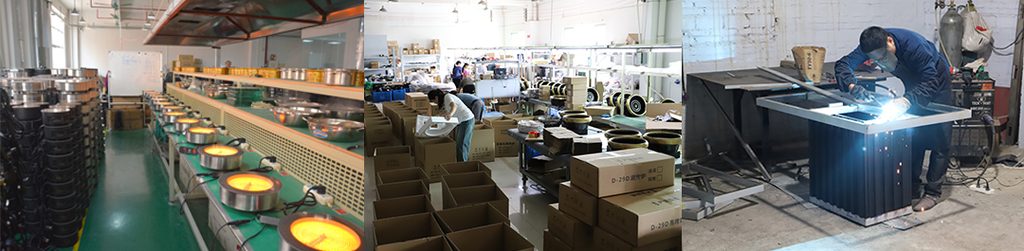
JUNYAO provides commercial restaurant equipment solutions for Korean BBQ restaurants, Japanese BBQ restaurants, hot pot & BBQ restaurants, distributors, and international projects.
Our solutions can include:
- Commercial smokeless BBQ grills
- Smokeless BBQ tables
- Smoke extraction systems
- Commercial heating equipment
- Customized restaurant tables
- OEM and ODM solutions
We can customize equipment according to table dimensions, materials, BBQ configurations, electrical specifications, and project requirements.
Frequently Asked Questions
How do I design a smokeless BBQ restaurant?
Start with the restaurant layout, table size, BBQ grill configuration, smoke extraction system, electrical requirements, and customer seating arrangement.
What equipment is needed for a smokeless BBQ restaurant?
Typical equipment includes commercial BBQ grills, smokeless BBQ tables, smoke extraction or purification systems, heating equipment, restaurant tables, and related accessories.
Can smokeless BBQ tables be customized?
Yes. Commercial BBQ tables can be customized in terms of dimensions, tabletop materials, grill configuration, smoke extraction, electrical specifications, and appearance.
What table material is suitable for a BBQ restaurant?
Rock slab, solid wood, marble, and stainless steel are common options. The choice depends on restaurant design, durability, maintenance requirements, and project specifications.
Can JUNYAO design a complete BBQ restaurant equipment solution?
Yes. JUNYAO can provide customized commercial BBQ equipment and OEM/ODM solutions based on restaurant layouts, table dimensions, equipment requirements, and project specifications.
Planning a Smokeless BBQ Restaurant?
Designing a BBQ restaurant requires the right combination of equipment, tables, smoke extraction, electrical systems, and restaurant layout.
If you are planning a new Korean BBQ restaurant, Japanese BBQ restaurant, or hot pot & BBQ project, contact JUNYAO with your restaurant layout, table dimensions, required quantity, and target market.
We can help develop a customized commercial BBQ equipment solution for your project.