
OEM and ODM restaurant equipment helps distributors, importers, and restaurant brands develop products that match their business needs. From commercial smokeless BBQ grills and hot pot tables to built-in induction cookers and smoke purification systems, customized equipment offers more flexibility for different restaurant projects.
Whether you are building your own brand or expanding your product range, understanding OEM and ODM cooperation can help you make better purchasing decisions.
1. What Is OEM Restaurant Equipment?
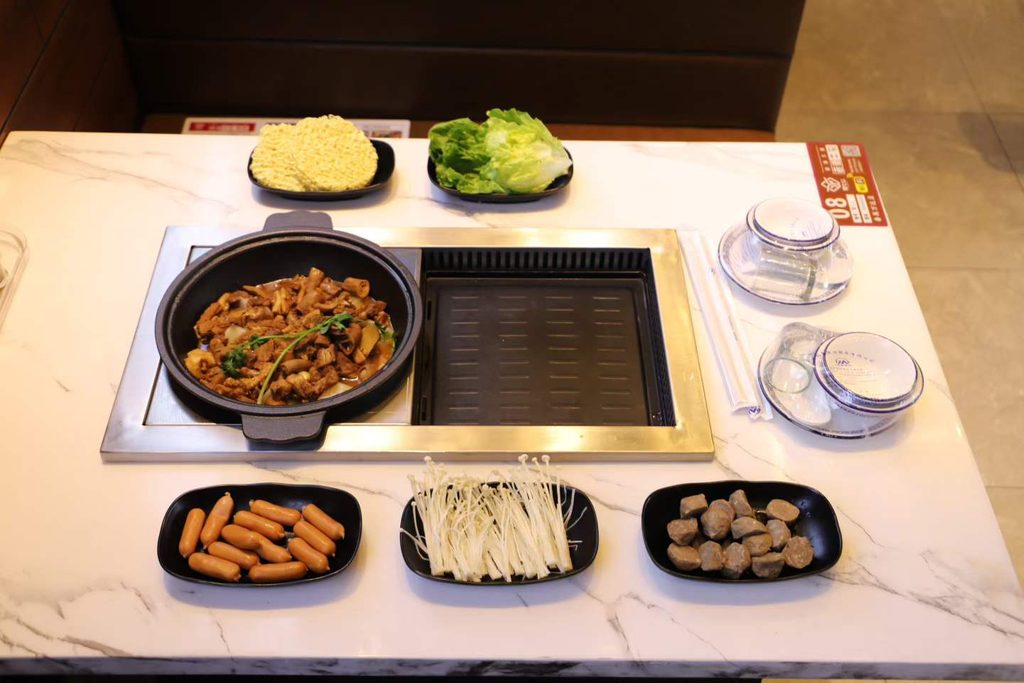
OEM stands for Original Equipment Manufacturer. In an OEM arrangement, the buyer typically provides product specifications, drawings, or design requirements, and the manufacturer produces the equipment according to the agreed details.
For example, a restaurant equipment distributor may require smokeless BBQ grills with specific dimensions, customized table configurations, or private-label branding.
OEM services may include:
- Production based on agreed specifications
- Customized dimensions and configurations
- Private-label branding where available
- Customized packaging and labels
- Product documentation based on project requirements
2. What Is ODM Restaurant Equipment?
ODM stands for Original Design Manufacturer. In an ODM arrangement, the manufacturer provides an existing design or helps develop a product based on the buyer’s requirements.
This approach can be useful for distributors who want to introduce new products without developing every design from the beginning.
For example, a buyer may select an existing smokeless hot pot table and request changes to its dimensions, tabletop material, or available cooker configuration.
ODM options may include:
- Selecting from existing product models
- Modifying dimensions or configurations
- Choosing available materials and finishes
- Developing product variations
- Discussing branding and packaging options
All modifications should be confirmed with the manufacturer before an order is placed.
3. OEM vs. ODM: What Is the Difference?
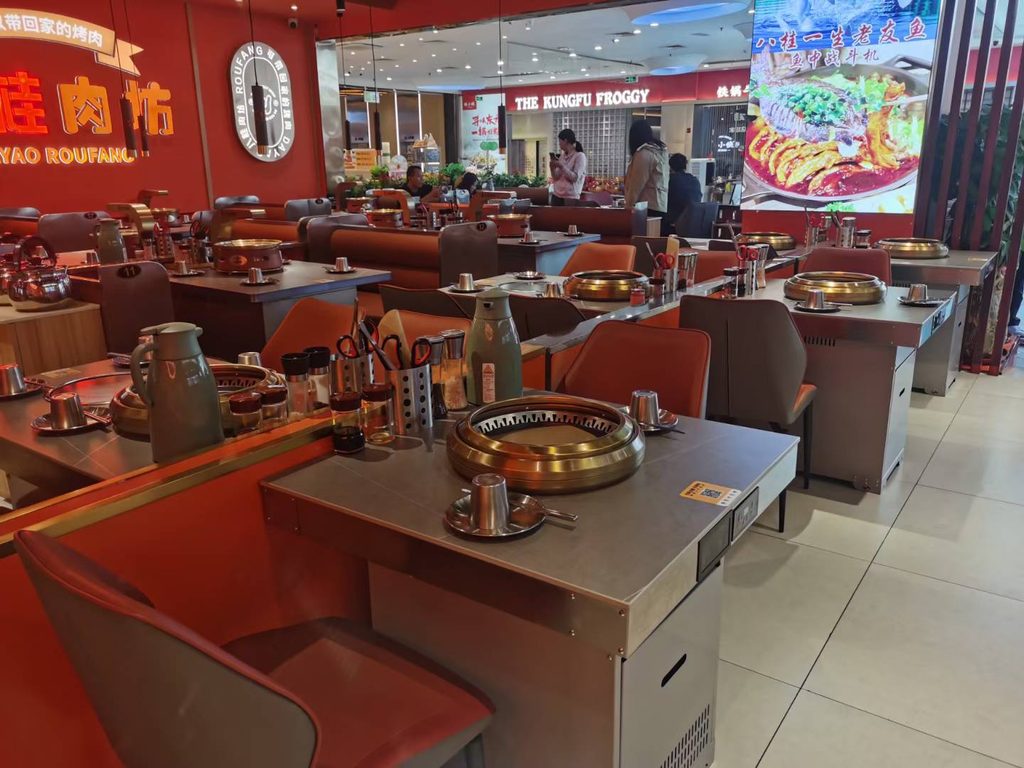
OEM and ODM are both common cooperation models, but they differ in how the product design is developed.
OEM: Production Based on Your Requirements
OEM is suitable for buyers who already have product specifications, drawings, or a defined product concept. The manufacturer produces according to the agreed requirements.
ODM: Start with an Existing Design
ODM is suitable for buyers who want to select an existing model or develop a product using the manufacturer’s design capabilities.
The right approach depends on your product requirements, budget, customization needs, and target market.
4. Seven Essential Benefits of OEM and ODM Restaurant Equipment
Benefit 1: Build Your Own Brand
Private labeling can help distributors develop a recognizable product range. Depending on the supplier’s capabilities and agreement, branding may be applied to product labels, packaging, manuals, or other approved locations.
Before production, confirm logo files, placement, packaging artwork, and approval procedures.
Benefit 2: Customize Products for Your Market
Different restaurants have different requirements for table dimensions, grill configurations, tabletop materials, and heating options.
Customization may include:
- Smokeless BBQ grills and integrated BBQ tables
- Commercial hot pot tables and cookers
- Rock slab, marble, or solid wood tabletops
- Built-in induction or ceramic cookers
- Smoke purification equipment
- Custom table dimensions and selected finishes
Not every manufacturer supports every option, so confirm technical feasibility before ordering.
Benefit 3: Expand Your Product Range
Distributors may want to supply several related product categories instead of focusing on one item. A suitable manufacturing partner may help them explore complementary products for hot pot restaurants, Korean BBQ restaurants, and other dining concepts.
Benefit 4: Coordinate Product Specifications
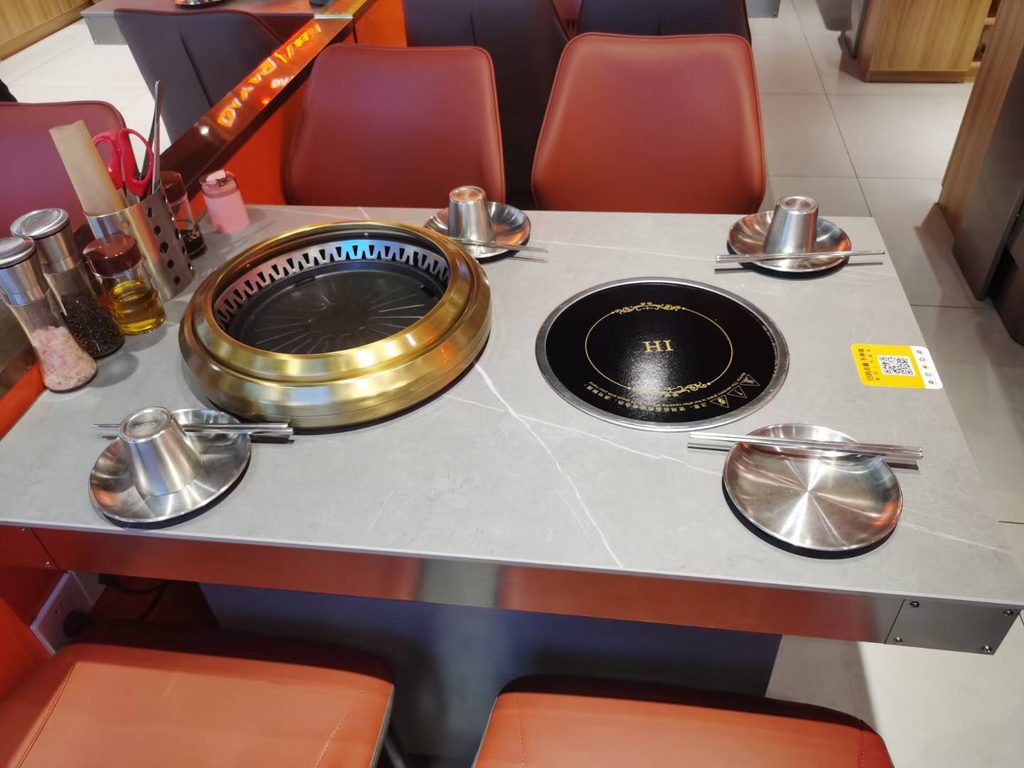
A restaurant project may require tables, built-in cookers, grills, and smoke extraction systems to work together.
Discussing the components together can help buyers confirm dimensions, installation requirements, electrical specifications, and compatibility before production.
Always review the final drawings and technical details rather than relying on product photos alone.
Benefit 5: Plan Packaging for Distribution
Packaging is important for importers and distributors. Ask about protective materials, cartons or crates, shipping marks, labels, and product documentation.
The right packaging depends on product size, weight, fragility, shipping method, and destination requirements.
Benefit 6: Define Quality Control Requirements
Before ordering, agree on the specifications that should be checked during production and before shipment.
Depending on the product, these may include dimensions, surface finish, component configuration, electrical performance, assembly, and packaging.
Ask the supplier how samples, inspections, and product issues will be handled.
Benefit 7: Support Long-Term Product Development
A long-term manufacturing relationship may help distributors refine products as market requirements change. Buyers can discuss design adjustments, packaging improvements, and additional product models as their business grows.
Document every change clearly so the manufacturer can follow the correct specifications for each order.
5. Which Restaurant Equipment Can Be Customized?
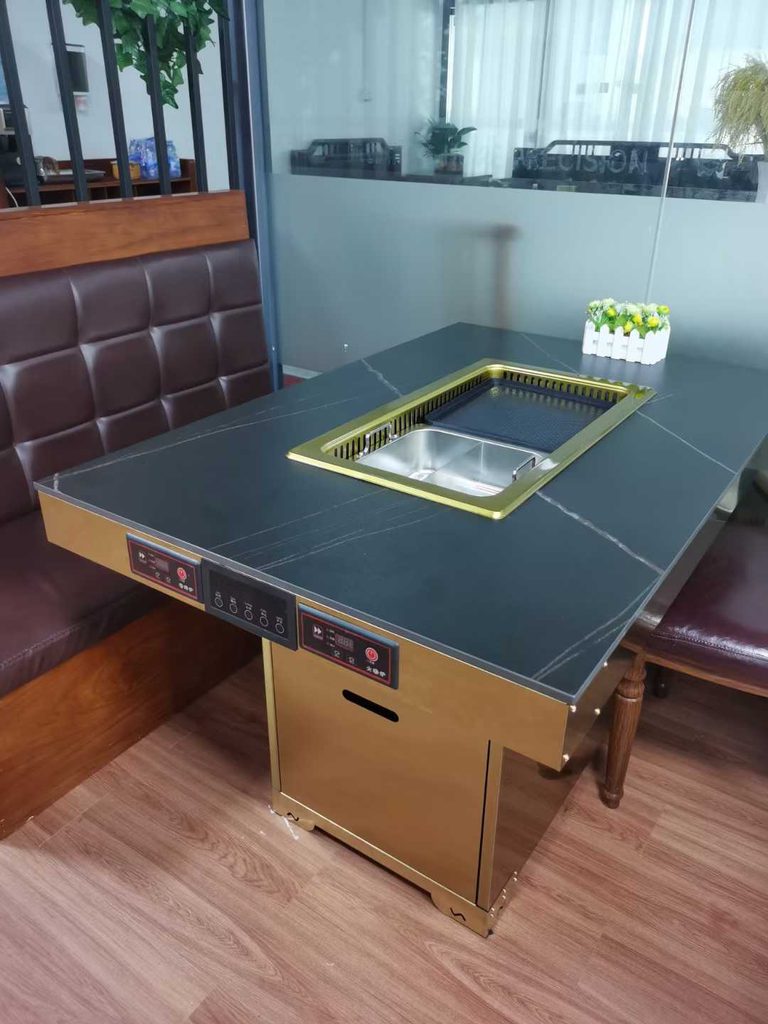
OEM and ODM projects may cover different types of commercial restaurant equipment, depending on the supplier’s capabilities.
- Smokeless BBQ equipment: Commercial BBQ grills, Korean BBQ tables, and integrated grill-table systems.
- Hot pot equipment: Hot pot tables, built-in hot pot cookers, and selected cooker configurations.
- Heating equipment: Commercial induction cookers and ceramic cookers.
- Smoke purification equipment: Systems selected for the intended grill, installation, and ventilation design.
- Restaurant furniture: Custom tables, tabletop materials, dimensions, and selected seating options.
Not every factory supports every customization. Ask for confirmation of available models, technical limitations, tooling requirements, and additional development costs.
6. How to Choose an OEM and ODM Restaurant Equipment Manufacturer
Check the Product Range
Choose a supplier whose products match your business. If your customers operate hot pot or Korean BBQ restaurants, look for relevant grills, tables, cookers, and smoke purification solutions.
Confirm Manufacturing Capabilities
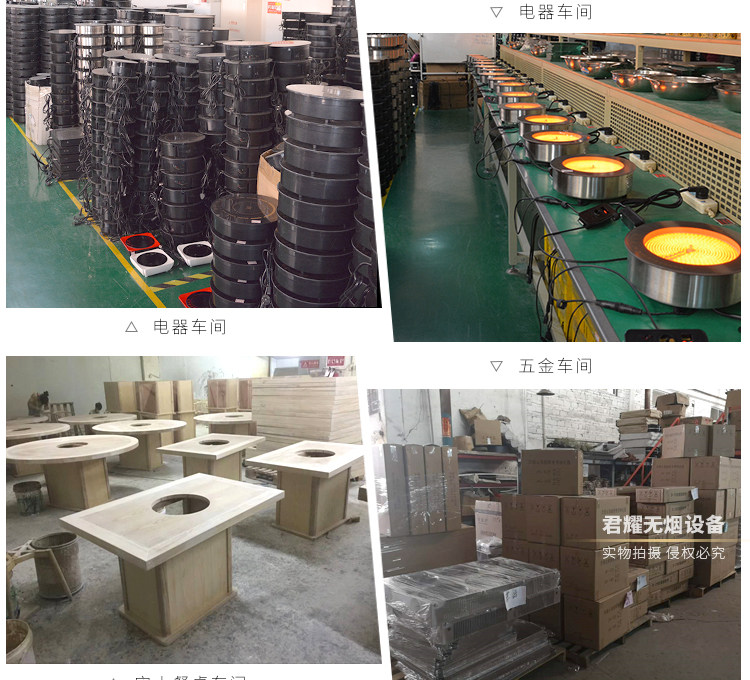
Ask which production processes are handled in-house and which components are sourced from other suppliers. Request product specifications, factory information, and relevant examples of completed projects where available.
Discuss MOQ, Lead Time, and Costs
Minimum order quantities, production schedules, sample charges, tooling costs, and payment terms vary by supplier and project. Request a written quotation that clearly identifies these details.
Review Technical and Compliance Requirements
Electrical equipment may need to meet specific standards and regulations in the destination market. Confirm applicable requirements, test reports, certifications, labeling, and documentation for the exact product and market before ordering.
Clarify Ownership and After-Sales Support
For customized designs, clarify ownership and permitted use of drawings, molds, logos, and product designs. Also agree on warranty terms, spare parts, technical support, and how product issues will be handled.
7. What Information Should You Send for a Quotation?
Providing clear requirements helps a manufacturer evaluate your project.
Before requesting a quotation, prepare the following information where available:
- Product type and intended application
- Estimated order quantity
- Dimensions, drawings, photos, or reference models
- Required materials, finishes, and heating configuration
- Branding and packaging requirements
- Destination country and compliance requirements
- Target delivery schedule and shipping destination
If you do not have complete specifications, you can start with reference photos, estimated quantities, and a description of your target customers or restaurant project.
Suggested Video Title: OEM and ODM Restaurant Equipment for Hot Pot and BBQ Businesses
8. OEM and ODM Restaurant Equipment from JUNYAO
JUNYAO focuses on commercial hot pot and BBQ restaurant equipment, including smokeless BBQ grills, hot pot tables, integrated grill-table solutions, commercial induction and ceramic cookers, and smoke purification equipment.
For distributors, importers, and restaurant project buyers, the first step is to identify the required products and confirm which specifications can be customized.
When contacting JUNYAO, please share your target product, estimated quantity, reference photos or drawings, destination market, and branding requirements. This information helps establish whether the proposed project is technically feasible and what details are needed for a quotation.
Frequently Asked Questions
What is the difference between OEM and ODM restaurant equipment?
OEM usually follows buyer-provided specifications or designs, while ODM typically starts from a manufacturer’s existing design or design-development capabilities. The actual arrangement should be defined in the project agreement.
Can I add my own logo to restaurant equipment?
Private labeling may be available, depending on the product and manufacturer’s capabilities. Confirm logo placement, labeling, packaging, and minimum order requirements before ordering.
Do OEM and ODM orders have a minimum quantity?
Minimum order quantities vary by product and customization scope. Standard models, customized models, and projects requiring new tooling may have different requirements. Ask the manufacturer for a project-specific quotation.
Can restaurant equipment be customized for different countries?
Some dimensions, configurations, labels, packaging, and electrical specifications may be adapted to the destination market. Confirm technical feasibility and applicable local compliance requirements for the exact product before production.
How do I start an OEM or ODM project with JUNYAO?
Send the product type, estimated quantity, reference photos or drawings, target market, and customization requirements. JUNYAO can then review the information and discuss the next steps.
Looking for an OEM and ODM Restaurant Equipment Partner?
Whether you are a restaurant equipment distributor, importer, brand owner, or project buyer, clear specifications and communication are essential for successful cooperation.
Explore the JUNYAO product range and contact us to discuss commercial smokeless BBQ grills, hot pot tables, cookers, smoke purification equipment, and customized restaurant equipment solutions.
Visit https://hotpotgrill.com/product-2/ to explore our products and contact us with your requirements.